A seventh straight loss
The benchmark KOSPI ended Thursday, October 15, down 454.59 points, or 7.57%, at 5,554.22, Reuters reported. That was its lowest close since April 7 and extended its losing streak to seven sessions, the longest since September 2024. During the session the index fell as much as 9.29%.
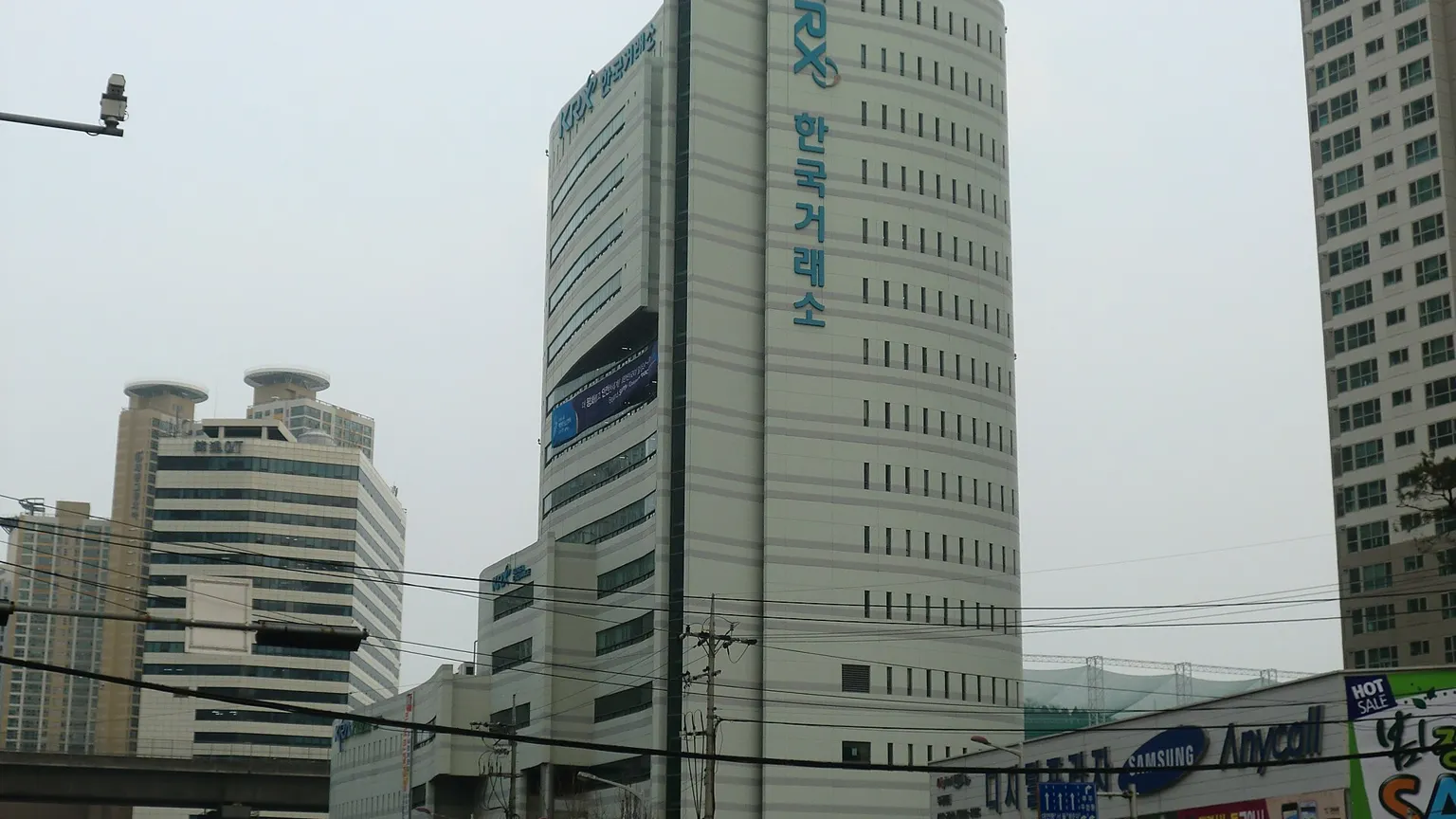
Korea Exchange halted trading in KOSPI-listed shares for 20 minutes from 12:38 p.m. local time after the index fell more than 8% from the previous close, Yonhap reported. Reuters said it was the first circuit breaker on the KOSPI since July 29. The tech-heavy Kosdaq also triggered a circuit breaker, at 12:23 p.m., the Korea Herald reported, the first time since July 29 that both markets did so on the same day.
Chipmakers carried the losses
Samsung Electronics closed down 9.5% and SK Hynix 11.1%, according to Reuters. Battery maker LG Energy Solution fell 4.6% and Hyundai Motor 5.7%. Of 917 traded issues, 113 rose and 789 fell. Intraday, the Korea Herald reported, Samsung Electro-Mechanics was down 16.81% and SK Square 10.45%, and SK Hynix's market value dropped below 1,000 trillion won.
The trigger came from Wall Street. The Philadelphia Semiconductor Index fell 4.3% on Wednesday after US consumer prices rose 0.6% in September, Reuters reported, as persistent inflation fuelled expectations of further US rate hikes. Yonhap said investors were selling semiconductor shares on “skepticism about the sustainability of artificial intelligence (AI) trade” as well as the hotter-than-expected US data.
Who sold, and what analysts said
Foreign investors were net sellers of 3.62 trillion won of KOSPI shares, while institutions and individuals were net buyers of 1.69 trillion won and 1.29 trillion won, Yonhap reported. Turnover was 363.47 million shares worth 26.87 trillion won. A sell-side sidecar, which suspends program selling for five minutes, was activated shortly after the open when KOSPI 200 futures fell more than 5%.
“The KOSPI market came under heavy selling pressure amid concerns over the sustainability of AI-related investments, intensifying competition in memory chip production and rising borrowing costs,” Lee Kyoung-min, an analyst at Daishin Securities, told Yonhap. He said IT hardware and power-equipment stocks also fell “as investor sentiment toward the broader AI value chain weakened.”
The won weakened to 1,344.6 per dollar at 3:30 p.m., down 2.3 won from the previous session, while Korean government bonds rallied, with the three-year yield down 1.6 basis points at 3.867%, Yonhap said. On Wall Street the day before, the S&P 500 fell 1.11% and the Nasdaq Composite 1.88%; Cboe noted that semiconductor shares fell for a seventh straight day and that investors have been rethinking the heavy debt taken on for AI development.
Why it matters
Analysis: Korea's index is heavily weighted toward the two memory makers whose earnings depend on AI data-center demand, so a single day's repricing of the AI story shows up quickly in the benchmark. Thursday's move does not by itself show that AI demand is weakening; the sources describe a shift in investor sentiment and rate expectations, not a change in orders or earnings guidance.
What to watch: whether US producer-price and retail-sales data due on Thursday, and the Federal Reserve's October 27-28 meeting, ease or reinforce rate-hike expectations, and whether Samsung and SK Hynix comment on AI memory demand in their upcoming results.